

Commentary
Nur Arafeh
{
  "authors": [
    "Nur Arafeh"
  ],
  "type": "commentary",
  "blog": "Diwan",
  "centerAffiliationAll": "",
  "centers": [
    "Carnegie Endowment for International Peace",
    "Malcolm H. Kerr Carnegie Middle East Center"
  ],
  "englishNewsletterAll": "",
  "nonEnglishNewsletterAll": "",
  "primaryCenter": "Malcolm H. Kerr Carnegie Middle East Center",
  "programAffiliation": "",
  "regions": [
    "Gulf",
    "Saudi Arabia",
    "United States",
    "United Arab Emirates",
    "Iran",
    "Kuwait",
    "Qatar"
  ]
}
Source: Getty
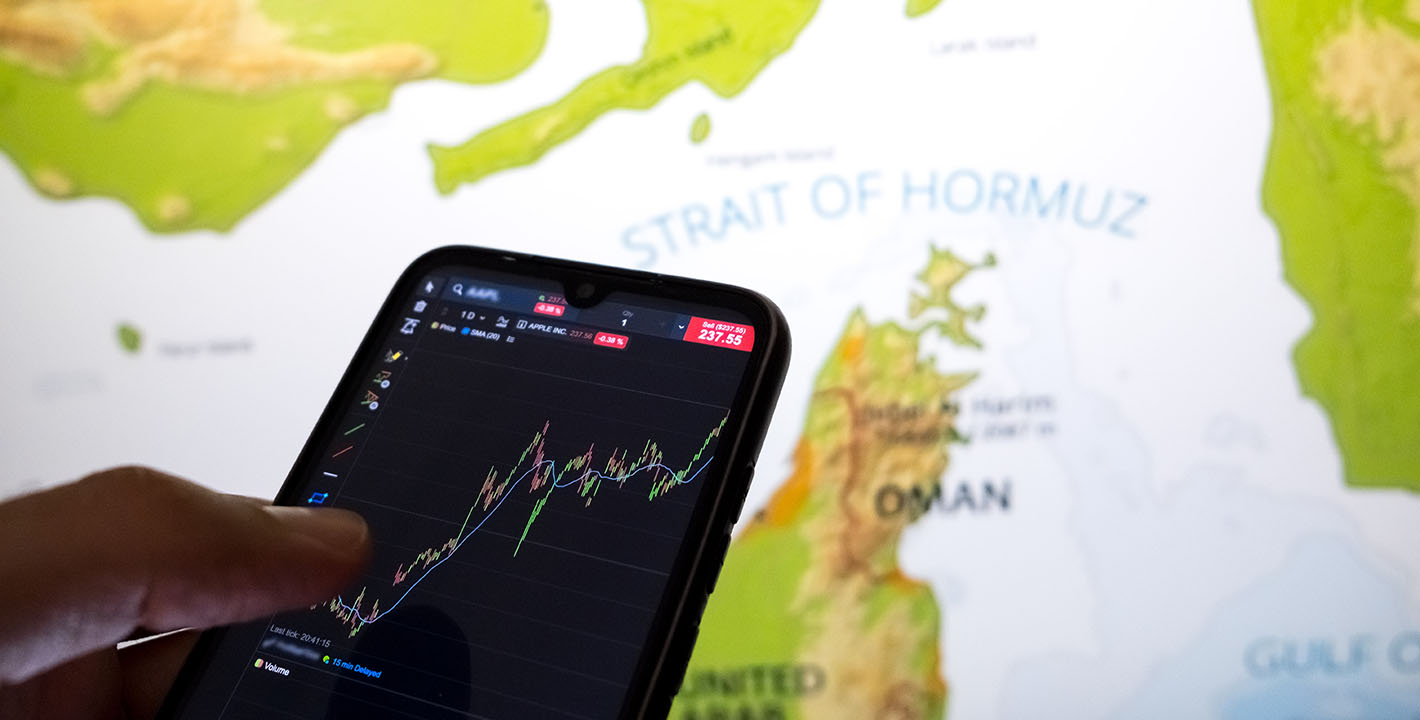
In an interview, Roger Diwan discusses where the global economy may be going in the third week of the U.S.-Israeli war with Iran.
Invalid video URL
Roger Diwan is vice president at S&P Global Energy and heads a dedicated research team that provides integrated energy advisory to the financial sector. Recently, Diwan sat with Nur Arafeh, who co-leads Carnegie’s Political Economy Program focused on the countries of the Middle East and North Africa. Their discussion addressed the repercussions of Iran’s closure of the Strait of Hormuz, which has raised oil prices and created major concerns about inflationary pressures worldwide as well as fears of a slowdown in the international economy.

Fellow, Malcolm H. Kerr Carnegie Middle East Center
Nur Arafeh is a fellow at the Malcolm H. Kerr Carnegie Middle East Center, where she is co-leading the program on the political economy of the MENA region. Her research focuses on the political economy of reconstruction, private sector development, business-state relations, food insecurity, and peacebuilding strategies.
Recent Work
Nur Arafeh


Maya Chehade, Marie Bassi, Duaa Abuswar, …
Carnegie does not take institutional positions on public policy issues; the views represented herein are those of the author(s) and do not necessarily reflect the views of Carnegie, its staff, or its trustees.
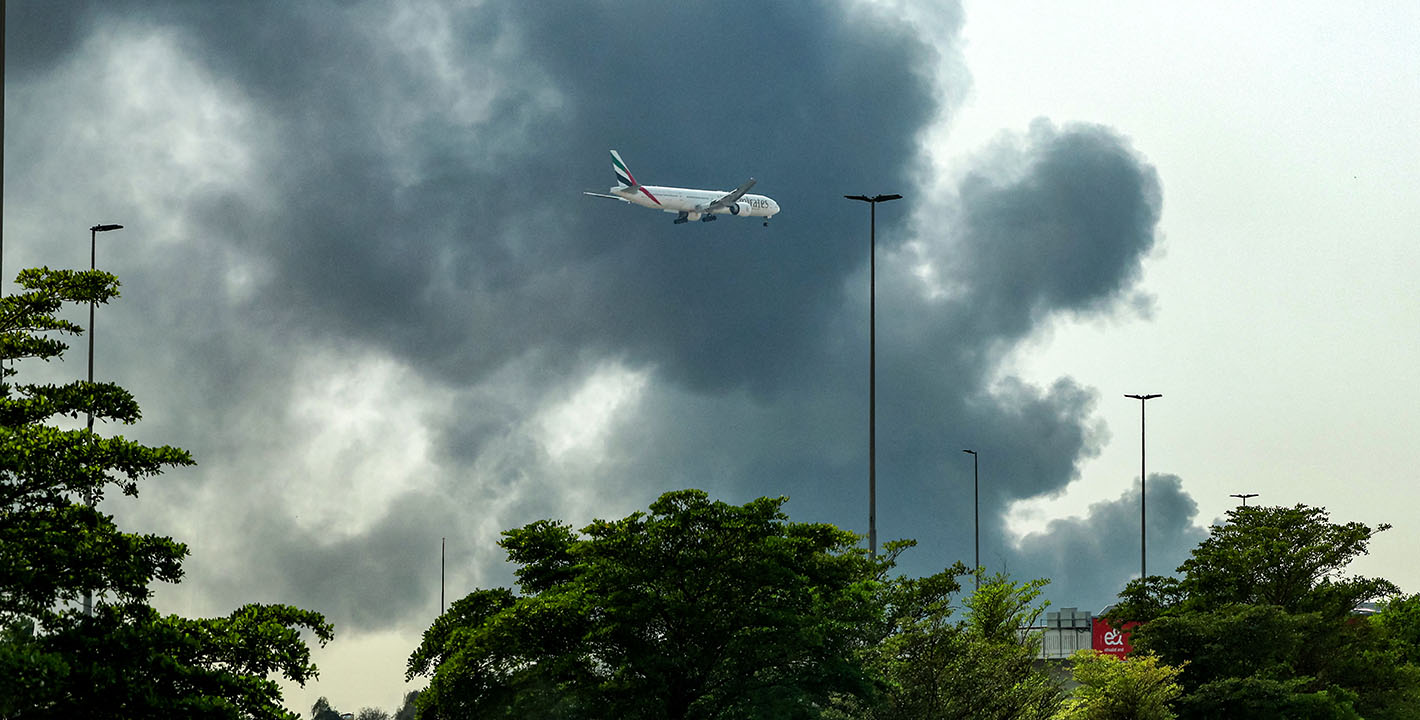
In an interview, Andrew Leber discusses the impact the U.S. and Israeli war against Iran is having on Arab Gulf states.

Michael Young
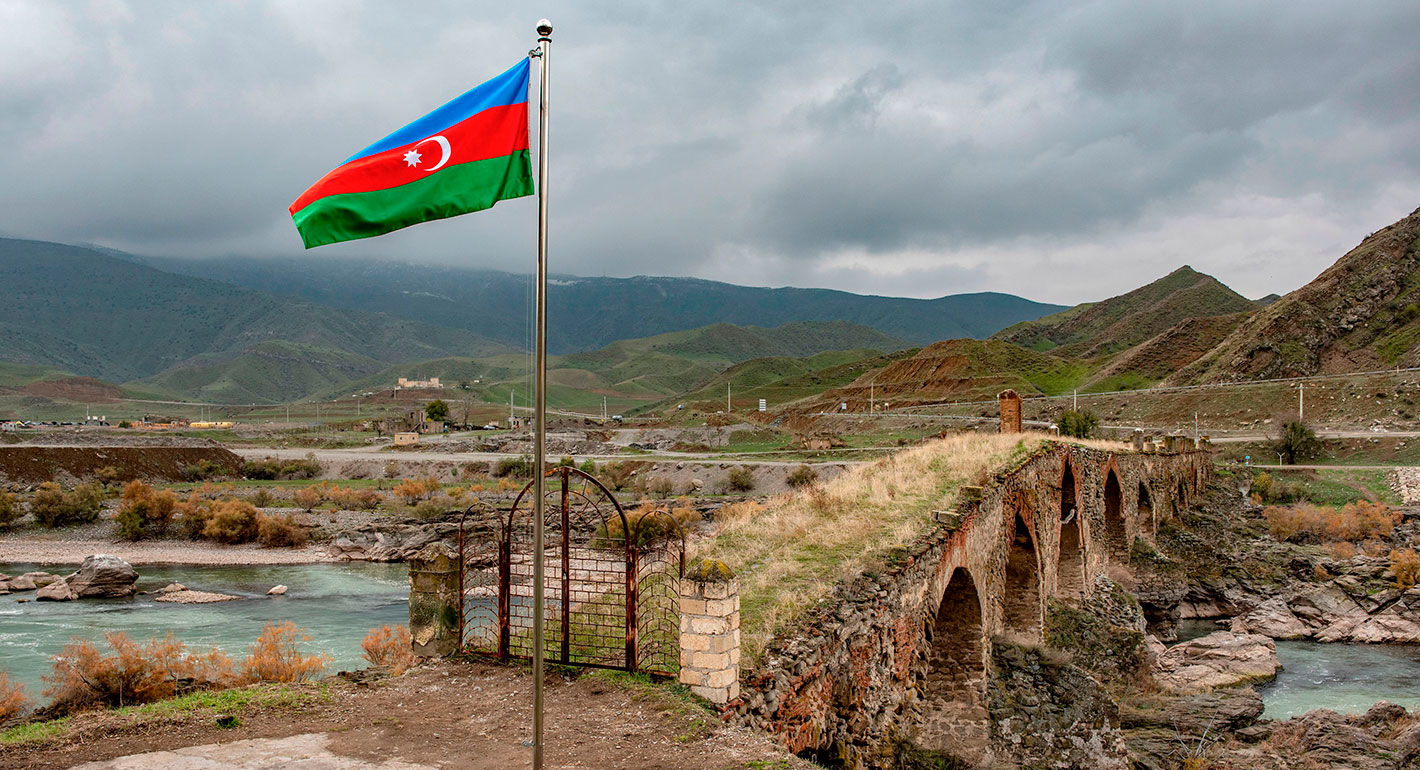
In an interview, Sergei Melkonian discusses Armenia’s and Azerbaijan’s careful balancing act among the United States, Israel, and Iran.

Armenak Tokmajyan
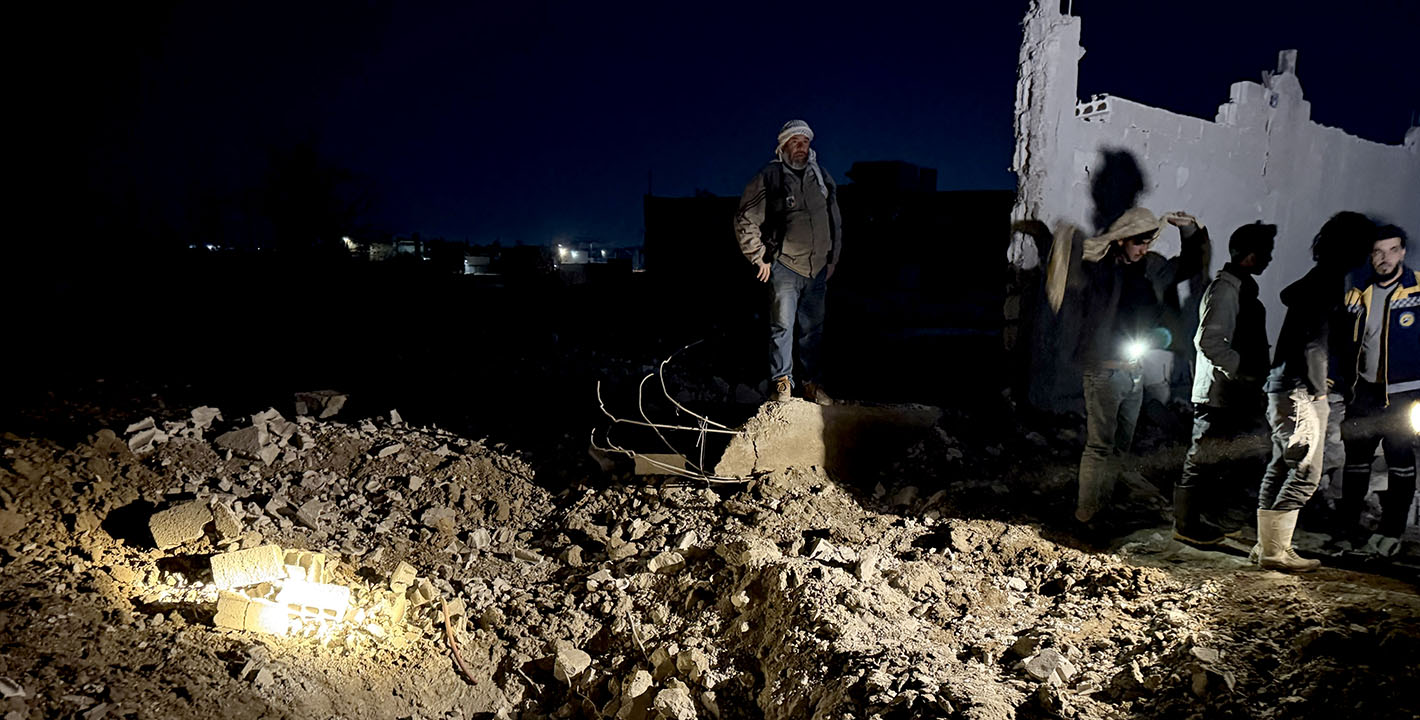
In an interview, Kheder Khaddour explains that Damascus is trying to stabilize its borders, but avoiding war isn’t guaranteed.
Michael Young
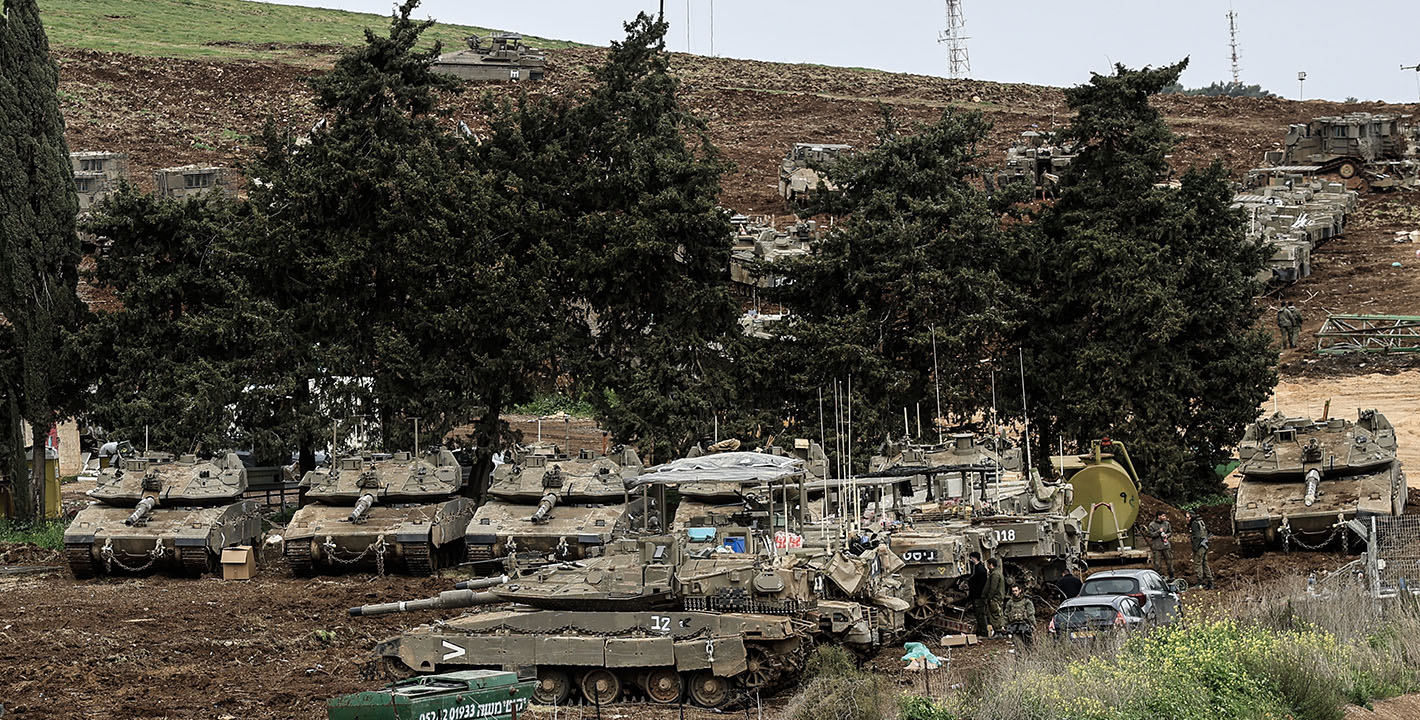
The country’s strategy is no longer focused on deterrence and diplomacy, it’s about dominance and degradation.

Nathan J. Brown
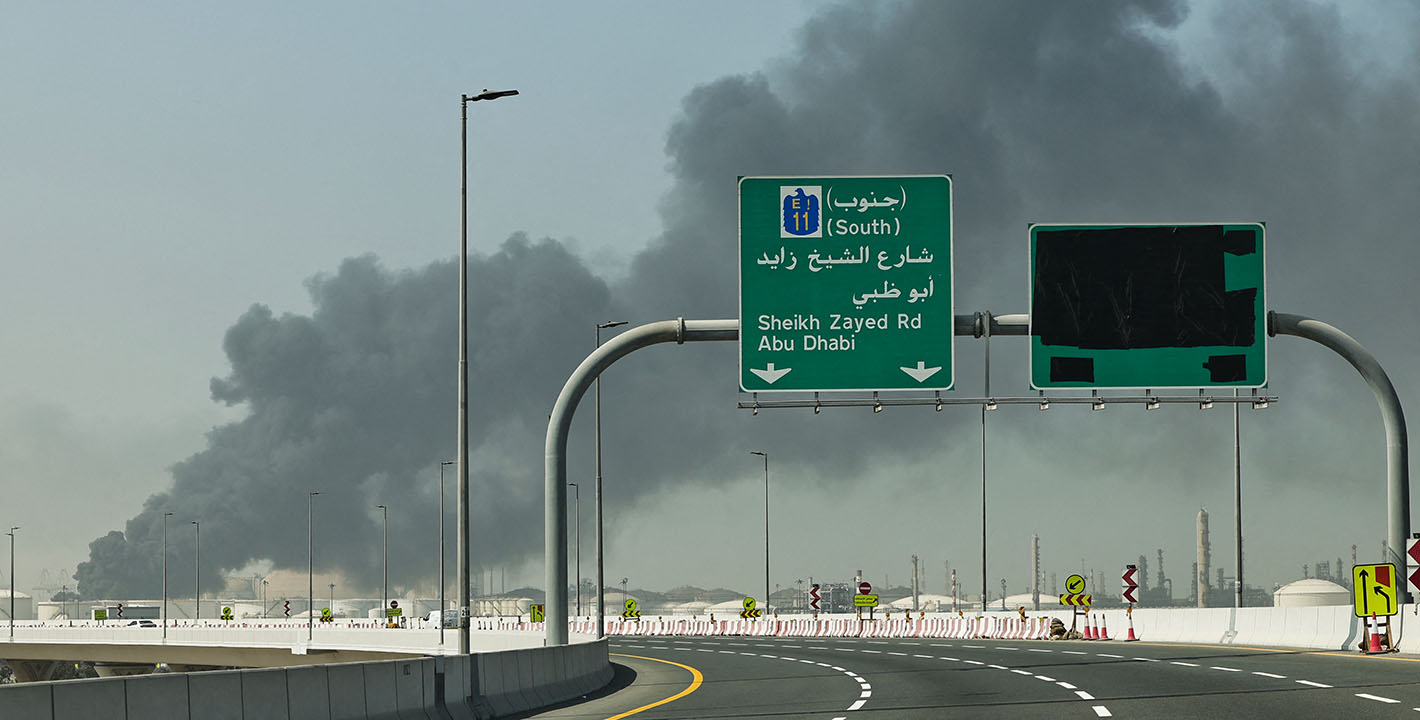
The countries in the region are managing the fallout from Iranian strikes in a paradoxical way.

Angie Omar