It will come to no one’s surprise if next month the international media and pundits ignore the anniversary of the Dayton Peace Accords, which some thirty years ago ended the bloodshed in Bosnia and Herzegovina and reconstituted the country. Like the subsequent NATO intervention in Kosovo, Dayton feels like ancient history, a piece of memory from the halcyon days of U.S. primacy. From a consumer of outside support, the Western Balkans are now looking at becoming a provider of stability. As they queue at the gates of the EU, the six countries of the region increasingly talk about their contribution to European security and defense.
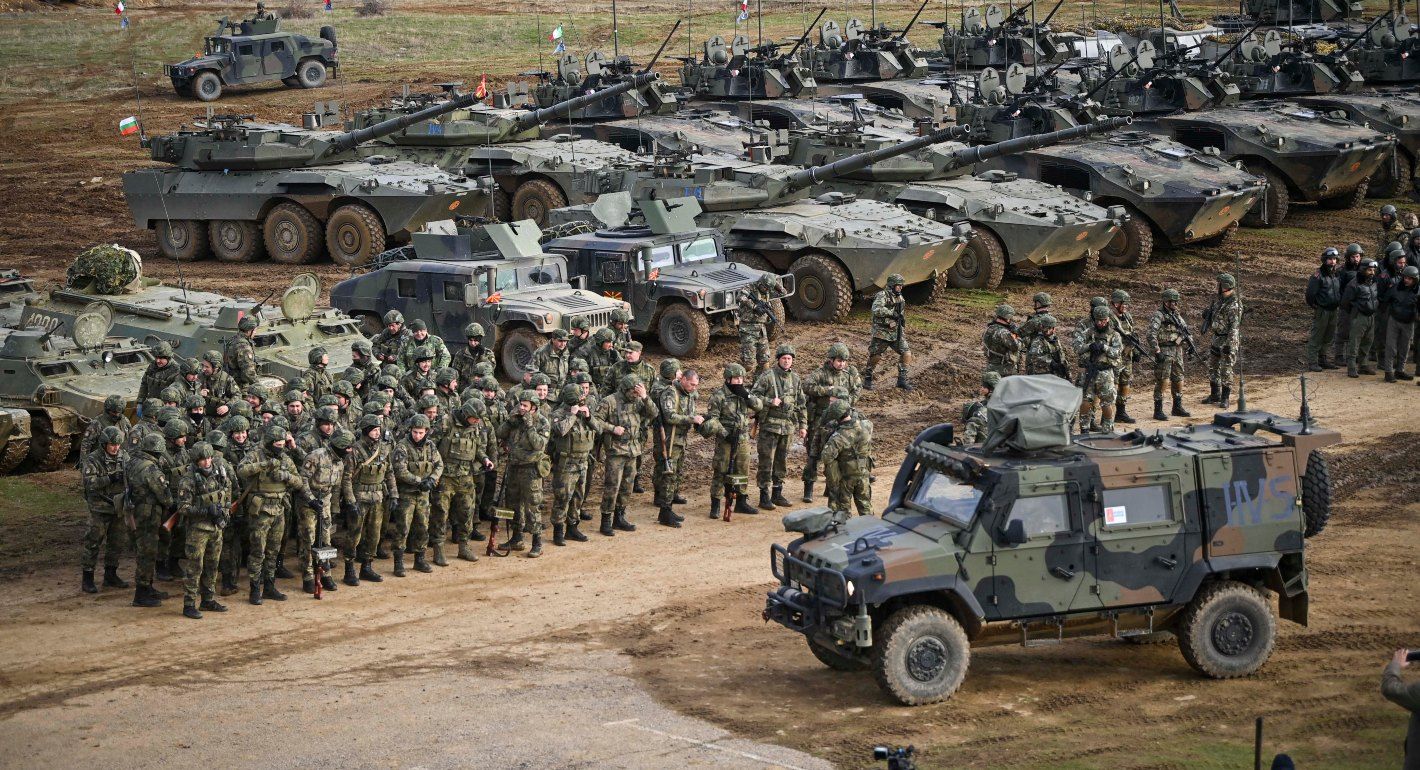
Russia’s full-scale invasion of Ukraine in 2022 has made collective defense a priority for Europe. But more than three years into the war, it is all about how local stakeholders could chip in the collective effort to contain Russia on NATO and the EU’s Eastern flank, strengthen resilience against hybrid threats, and shoulder responsibilities for peacekeeping closer to home. Like neighboring Montenegro, Albania contributes to NATO battlegroups in Latvia and Bulgaria, deploying 500 military personnel in NATO—and EU—missions at any given point. Efforts are ongoing to attract foreign investment into the country’s defense industries, modernize the military, increase cooperation with other allies—despite some continued tensions—and develop AI technologies. Tirana also plans to expand dual-use logistics capabilities and construct new storage and training facilities to better support NATO missions. In North Macedonia, the Krivolak range—one of the alliance’s top location for exercises—hosted a large-scale drill this summer.
Even Moscow’s closest friend, Serbia, is taking advantage of Europe’s defense awakening. Last May, the Russian foreign intelligence accused Belgrade of delivering, through intermediaries, ammunition to Kyiv. Though Belgrade has been denying that such deals have been taking place, it is implicitly taking credit for Ukraine. The Western Balkans is home to roughly 200 companies in the defense sector, located primarily in Serbia and Bosnia. As highlighted in a recent report by ELIAMEP, they have capacity to produce ammunition compatible with both NATO standards and former Warsaw Pact specifications, perhaps more effectively even than ventures in the EU. For example, the €1 billion ($1.2 billion) joint venture between the Bulgarian company VMZ and Germany’s Rheinmetall has an annual ammunition production target of one-fifth the claimed production capacity of Bosnia. This could strongly support EU supplies to Ukraine. However, industrial potential is often hamstrung by political paralysis and fragmented governance.
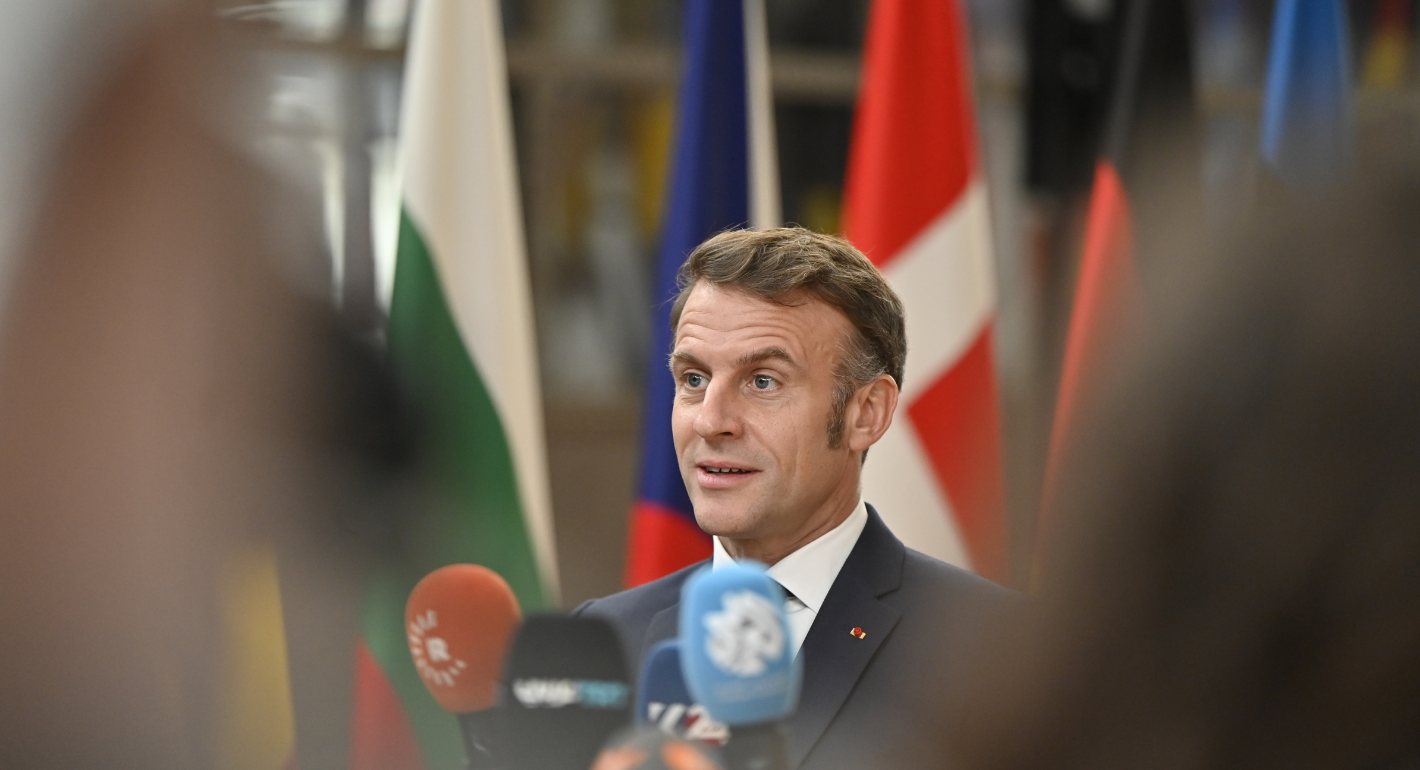
Looking beyond ammunition, the Western Balkans should be able to dip in common European mechanisms, programs, and financial instruments to strengthen the defense industrial sector. The list includes the European Defense Fund, the long-term loans under the Security Action for Europe instrument, and the European Defense Industry Program (EDIP). The EDIP regulation, still to be finalized, sets aside some €1.5 billion ($1.7 billion) in grants for the period of 2025–2027. Ties with the European Defense Agency (EDA), dealing with research, capabilities development, and industrial cooperation could be reinforced too. In 2014, Serbia became the first non-EU country to establish formal working relations with the agency. Albania and North Macedonia have signed security and defense partnerships with the EU that explicitly mention cooperation with the EDA. Ideally, all six Western Balkan countries should become EDA members, possibly without voting rights until they join the EU. There is a growing appetite among EU member states—including France, Italy, and others—for deepening security cooperation with Western Balkan countries, especially on dual-use infrastructure and defense industries.
There are obstacles too, to be sure.
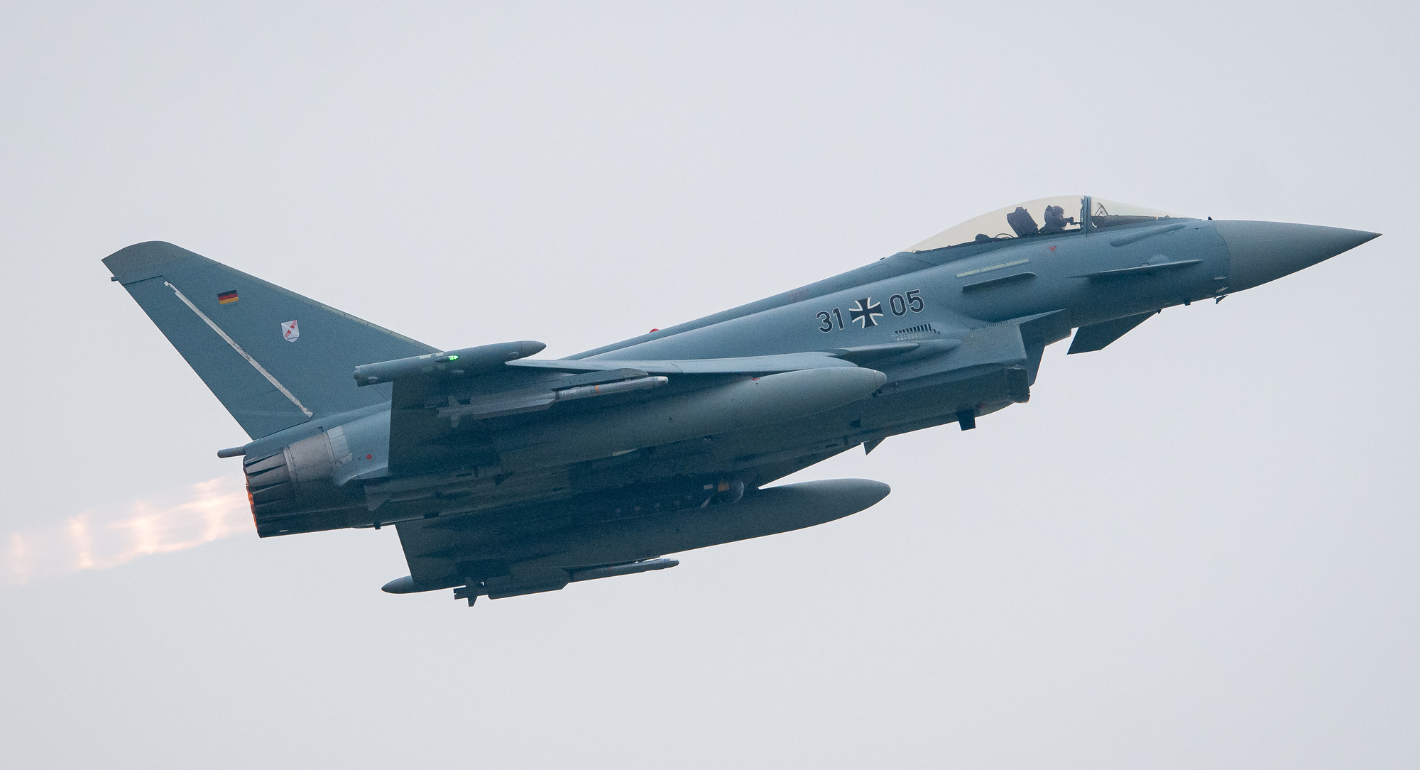
One is the division of the region between NATO members, potential members such as Kosovo and Bosnia and Herzegovina, and neutral Serbia. So long as Serbia pursues a multivector foreign and security policy and imports military equipment from Russia and China, cooperation will face obstacles. The transition to Western platforms—such as France’s Rafale jets—will take time. Lack of trust between Serbia and its neighbors will put a spanner in the works on defense industrial cooperation or on collectively fighting hybrid threats. The latter require much tighter ties between intelligence, law enforcement, and other government agencies across borders.
An even more formidable hurdle is the security sector across the region. In several countries, the primary role of the military, intelligence, police, and law enforcement sectors is to sustain the power of incumbents and protect clientelist networks, rather than serve the public interest. Transnational organized crime has long cultivated symbiotic relationships with the guardians of the state, whether it is in NATO members and EU hopefuls Albania and Montenegro or in Euroskeptic Serbia. Despite some positive developments, these chronic problems in turn stymie effective integration into EU and NATO mechanisms.
The last issue worth bringing up is the economy. It is difficult to attract strategic international investment into small-size economies, unless they pull together. The Western Balkans have yet to produce a success story involving a big European, Turkish, or U.S. manufacturer setting up shop locally. This could be offset in part by indigenous demand, tied to military modernization. Yet defense spending is still hovering under 2 percent GDP, far below the 3.5 percent benchmark adopted at NATO’s Hague summit last June. The Western Balkans’ location, far from the borders of Russia, and the lack of memory of control by Moscow impacts security perceptions and defense planning. As a result, the business case for investing into the region might be somewhat weak.
The Western Balkans are on the path to become a net contributor to European security, but much more needs to be done to reach that destination. Western Balkan governments should team up to develop joint projects, attract foreign investment in the defense industrial sector, and benefit from increased spending on security in the EU. The three NATO members—Albania, North Macedonia, and Montenegro—should lead the way. They should invest in partnerships with EU members to modernize their militaries and security sector, and integrate gradually into the union's new defense initiatives.